Meta Ads for Med Spas: Lead Generation Without Wasting Budget
September 10, 2026
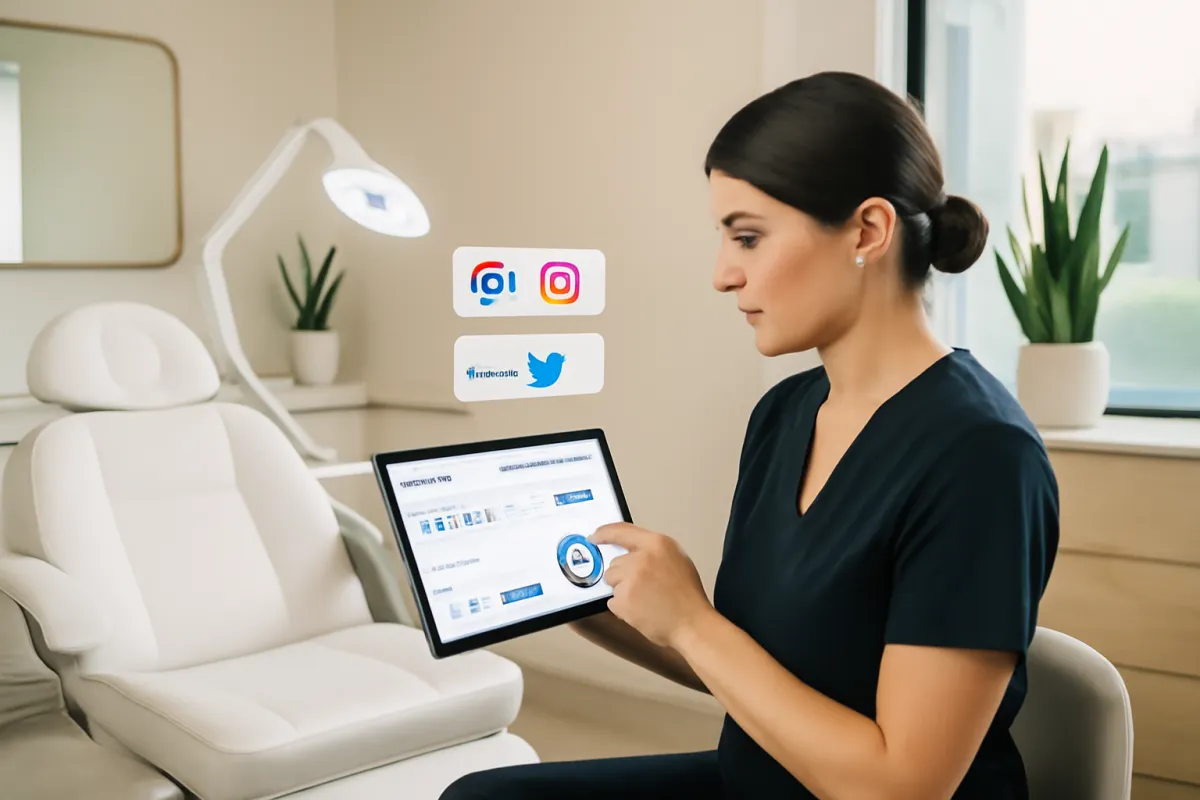
Meta ads for med spas can generate a steady flow of consultation requests, but getting inexpensive form submissions is not the same as attracting patients who book and show up. Budget is often wasted when an offer is too broad, the campaign optimizes for the wrong action, or new leads wait hours for a response.
A profitable campaign connects four pieces: the right service offer, compliant creative, focused campaign structure, and fast follow-up. This guide explains how med spas can build that system without chasing vanity metrics or relying on unrealistic promises.
Why Meta Ads for Med Spas Waste Budget
Facebook and Instagram are visual platforms, making them a natural fit for aesthetic services. They also allow med spas to reach local audiences before those people actively search for a provider. However, that demand-generation advantage creates a challenge: someone who taps an ad may be curious rather than ready to schedule.
Common sources of wasted spend include:
- Advertising every treatment in one campaign with no clear priority
- Targeting an area that is too broad for the clinic’s realistic service radius
- Using generic stock images that do not establish credibility
- Sending traffic to a homepage with multiple competing actions
- Measuring form fills without tracking booked consultations and arrivals
- Following up manually after the prospect has lost interest
- Making aggressive claims that create compliance or trust problems
A strong med spa advertising strategy is therefore more than ad targeting. It is a patient-acquisition workflow extending from the first impression through appointment confirmation.
Start With One Treatment and One Clear Offer
Campaigns are easier to optimize when each one has a defined treatment, audience, and conversion goal. Instead of promoting injectables, facials, laser treatments, and body contouring in the same ad, begin with a priority service that has sufficient demand, appointment availability, and business value.
The offer should reduce uncertainty without depending on a steep discount. Examples include a consultation, candidacy assessment, treatment-planning session, or limited introductory package. The appropriate choice depends on the treatment, local rules, provider capacity, and clinic economics.
Build the offer around the patient’s decision
A prospective patient typically wants to know what the service addresses, whether they may be a candidate, what the experience involves, and what to do next. Good aesthetic clinic ads answer enough of those questions to earn a click while leaving individualized medical guidance for a qualified provider.
For example, an ad for laser hair removal could focus on convenience, explain that results and treatment plans vary, and invite the user to request a consultation. An injectable campaign could emphasize a personalized, natural-looking treatment philosophy rather than promising a specific result.
Create Trustworthy, Policy-Conscious Ad Creative
Effective med spa Facebook ads do not need sensational language. Authentic photos of the location, provider introductions, treatment-room videos, educational clips, and straightforward service explanations can establish more trust than highly edited graphics.
Avoid language that appears to identify a viewer’s personal attributes or health condition. Copy such as “Are you embarrassed by your wrinkles?” is intrusive and may create policy concerns. A more appropriate angle would discuss the treatment generally, such as “Explore a personalized approach to softening the appearance of fine lines.”
Before publishing, review Meta’s Advertising Standards and any rules relevant to the treatment being promoted. Med spas should also have qualified legal or compliance guidance for consent, testimonials, patient imagery, health information, and state-specific advertising requirements.
Test meaningful creative differences
Changing a button color is unlikely to reveal much. Test distinct concepts instead:
- A provider-led educational video versus a clinic-tour video
- A consultation offer versus a treatment-planning offer
- A benefit-focused message versus a process-focused message
- An on-platform lead form versus a dedicated landing page
Keep the service and core audience consistent during a test so the result is interpretable. Replace weak creative deliberately rather than changing every campaign setting at once.
Choose the Right Lead-Generation Path
Meta lead forms reduce friction because prospects can submit information without leaving Facebook or Instagram. They can work well for consultation requests, but low friction may also produce lower-intent inquiries. Adding a few qualifying questions can help, provided the form remains short and avoids collecting unnecessary sensitive information.
A landing page creates more commitment and gives the clinic room to explain the provider, service, process, location, and next step. It should be mobile-friendly, load quickly, and focus on one conversion action. If the page looks generic or sends visitors into a complicated navigation menu, ad performance can suffer.
For clinics that want the campaign, landing page, CRM, and follow-up built as one system, done-for-you paid advertising and growth systems can remove gaps between marketing tools and front-desk operations.
Use a simple conversion flow
- The prospect sees a treatment-specific ad.
- They open a short form or focused landing page.
- The inquiry enters the CRM with campaign and treatment details.
- An immediate text or call acknowledges the request.
- The prospect receives a booking option or is routed to staff.
- Reminders and confirmations support appointment attendance.
- The clinic records whether the lead booked, arrived, and purchased.
This workflow makes med spa lead generation measurable beyond Meta’s reporting dashboard.
Make Fast Follow-Up Part of the Ad Strategy
A lead may contact multiple local clinics in one session. If no one responds until the next business day, even excellent ad creative cannot recover that lost momentum. An immediate acknowledgment should confirm the request, set expectations, and make the next step easy.
Automation can send an initial text, trigger an email, assign a task, and notify the appropriate team member. When inquiries arrive after hours or staff members are serving patients, an AI receptionist for missed calls and appointment requests can help maintain responsiveness while following the clinic’s approved scripts and escalation rules.
Automation should support the patient experience, not make it impersonal. Prospects need a clear way to reach a person, and questions requiring clinical judgment must be routed to qualified staff.
Measure Cost per Booked and Completed Consultation
Cost per lead is useful, but it should not be the final score. One campaign may produce inexpensive leads who never answer, while another produces fewer leads who schedule and arrive. The second campaign could be more valuable even with a higher lead cost.
Track the following stages by campaign, treatment, and creative:
- Ad spend and landing-page visits
- Completed forms or calls
- Contacted leads
- Booked consultations
- Completed consultations
- New patients or treatment purchases
- Revenue attributed according to the clinic’s tracking model
Also review operational constraints. If the clinic cannot accommodate more appointments for a treatment, increasing its ad budget may create frustration rather than growth. Capacity, provider schedules, treatment margins, cancellation rates, and lead quality should inform budget decisions.
Be careful with tracking technology when health-related information is involved. Do not send sensitive patient data to advertising platforms. Configure forms, CRM fields, pixels, and integrations with appropriate privacy, consent, security, and legal guidance.
A Practical 30-Day Implementation Plan
Week 1: Select the campaign foundation
Choose one treatment, define the service radius, document the ideal patient journey, and select a realistic conversion action. Confirm appointment capacity and decide who owns each follow-up step.
Week 2: Build campaign assets
Create several authentic visual concepts, write policy-conscious copy, and build a lead form or treatment-specific landing page. Connect the form to the CRM and verify that campaign attribution fields are captured.
Week 3: Launch and test the workflow
Submit test leads from a mobile device. Confirm that texts, calls, notifications, booking links, and staff tasks work correctly. Launch with controlled creative variations and avoid making daily changes before enough useful data accumulates.
Week 4: Optimize for patient outcomes
Review lead quality, contact rates, bookings, and completed consultations. Listen to front-desk feedback and inspect where prospects stop responding. Shift budget based on downstream results rather than clicks alone.
Clinics that need these stages connected can use a done-for-you AI marketing automation system to coordinate paid traffic, CRM routing, follow-up, and appointment workflows.
Questions to Ask a Med Spa Advertising Partner
Before hiring an agency or campaign manager, ask how they track booked and completed consultations, how lead data reaches the CRM, and who monitors follow-up failures. They should be able to explain their testing process without promising a guaranteed lead cost or patient volume.
Also ask who owns the ad account, creative assets, landing pages, and data. A good partner should understand that campaign performance depends on both media buying and clinic operations.
Frequently Asked Questions
Are Facebook or Instagram ads better for med spas?
Both placements can contribute because they run through Meta’s advertising platform. Performance depends more on the audience, creative format, service, and conversion workflow than on choosing one app in isolation.
Should a med spa use lead forms or a landing page?
Lead forms are convenient and may generate more inquiries, while landing pages can educate prospects and create stronger intent. Test both when budget allows, then compare booked and completed consultations rather than form volume alone.
How much should a med spa spend on Meta ads?
There is no universal budget. Base the decision on local competition, treatment economics, appointment capacity, expected testing needs, and the amount the clinic can responsibly invest while gathering data. Start with a controlled plan rather than spreading a small budget across many services.
What is the biggest opportunity to improve campaign ROI?
For many clinics, it is the connection between the ad and follow-up process. Clear offers, rapid response, easy booking, consistent reminders, and accurate outcome tracking often matter as much as audience targeting.
Put the ideas to work.
We can map the right system for your business.