Paid Advertising for Roofing Companies: Google Ads vs. Meta Ads
September 08, 2026
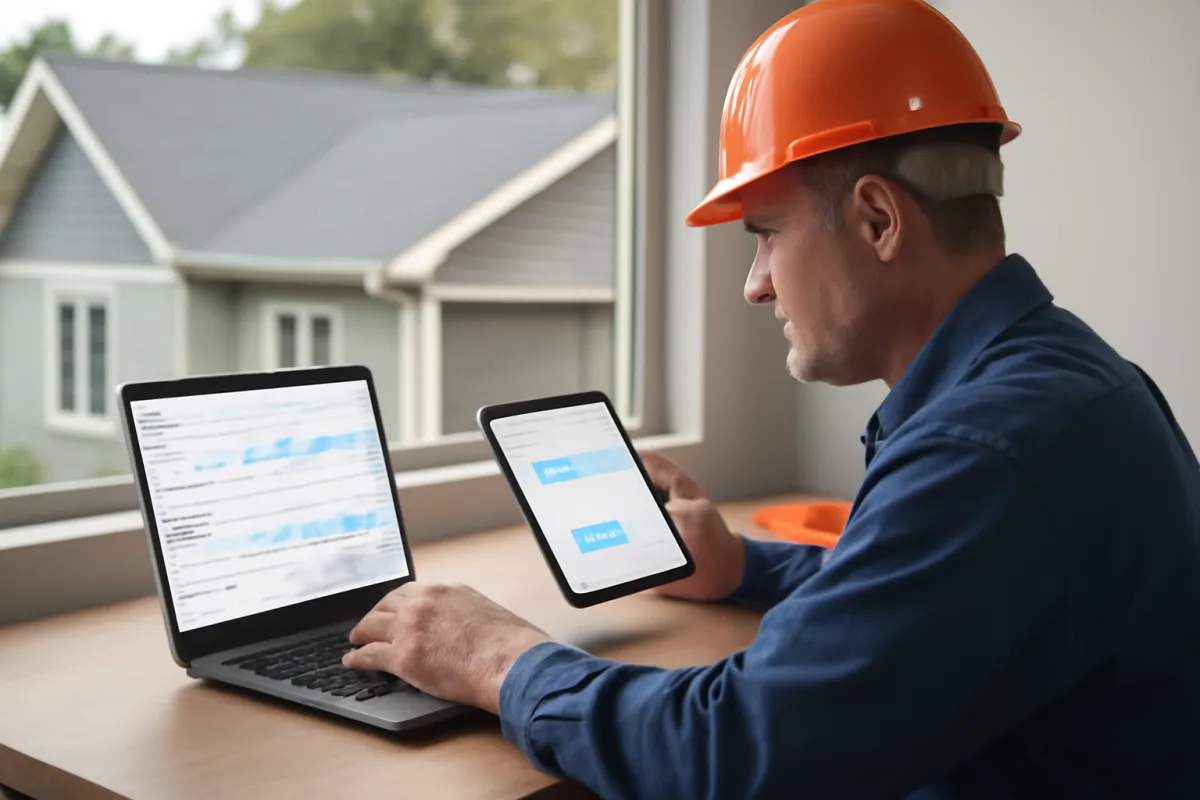
Choosing between Google Ads and Meta Ads can be difficult when every roofing lead has a different level of urgency, value, and sales readiness. Google reaches homeowners actively searching for help, while Facebook and Instagram can introduce your company before a homeowner begins comparing roofers.
The best approach to paid advertising for roofing companies is not automatically picking one platform. It is understanding what each channel does, how leads move from click to inspection, and which campaign structure fits your market, budget, and operational capacity.
Google Ads vs. Meta Ads at a Glance
Google Ads primarily captures existing demand. A homeowner searches for terms such as “roof leak repair near me” or “roof replacement contractor,” sees an ad, and contacts a roofing company. The homeowner already recognizes a need, so search traffic often carries strong intent.
Meta Ads place roofing offers in front of people using Facebook and Instagram. These homeowners may not be searching for a roofer at that moment. Effective Meta campaigns use compelling visuals, relevant offers, geographic targeting, and educational messaging to create or reactivate interest.
| Consideration | Google Ads | Meta Ads |
|---|---|---|
| Primary role | Capture active roofing demand | Generate awareness and interest |
| User intent | Usually medium to high | Usually low to medium |
| Best-fit offers | Repairs, inspections, replacements, emergency service | Inspection offers, storm messaging, financing education, before-and-after campaigns |
| Creative requirement | Strong ad copy and relevant landing pages | Strong images or video plus a clear offer |
| Common risk | Paying for irrelevant or poorly qualified searches | Generating inexpensive but low-intent inquiries |
When Roofing Google Ads Make Sense
Roofing Google Ads are usually the strongest starting point when a contractor wants to reach homeowners already looking for service. Search campaigns can target specific needs, including roof repairs, replacement estimates, storm damage inspections, metal roofing, commercial roofing, or emergency leak service.
Campaign structure matters. Sending every search to one general ad group makes it difficult to match the message to the homeowner’s problem. A better structure separates services and intent. For example:
- A “roof leak repair” campaign can emphasize prompt inspections and damage prevention.
- A “roof replacement” campaign can focus on materials, workmanship, financing options, and estimate requests.
- A storm-related campaign can address inspection processes and clearly explain that insurance coverage decisions belong to the insurer.
- A commercial campaign can use different copy and landing pages for property managers, building owners, and facility teams.
Location controls are equally important. Roofers should target areas they actually serve and review settings that may include people merely interested in the location. Negative keywords can filter searches related to jobs, training, DIY instructions, supplies, and services the company does not provide.
The landing page should continue the promise made in the ad. A replacement ad should not send visitors to a generic homepage where they must search for the correct service. It should lead to a focused page with service details, local credibility, photos, a clear inspection request, and click-to-call options. Google’s own guidance on optimizing ads and landing pages is a useful reference when evaluating relevance and user experience.
When Roofing Facebook Ads and Instagram Ads Make Sense
Roofing Facebook Ads can work well when the service benefits from visual proof or when the company wants to reach homeowners before they search. A completed roof transformation, a short inspection video, or an explanation of warning signs can make an unfamiliar roofing problem feel immediate and understandable.
Meta can be especially useful for:
- Promoting seasonal roof inspections within selected service areas
- Educating homeowners after hail, wind, or other local weather events
- Retargeting people who visited a roofing service page but did not contact the company
- Showing before-and-after projects that demonstrate workmanship
- Building familiarity in neighborhoods where the company is already completing projects
However, a form submission is not the same as a booked appointment. People browsing social media may complete a short form casually, forget the company name, or submit requests to several businesses. Meta campaigns therefore need qualifying questions and fast follow-up.
Useful form questions might cover property location, service needed, visible damage, project timeframe, and whether the person owns or manages the property. Avoid making the form so long that qualified homeowners abandon it. The goal is to collect enough information to prioritize the lead without turning the form into a full inspection interview.
Which Platform Produces Better Roofing Leads?
Neither platform wins in every market. Lead quality depends on the offer, targeting, search terms, creative, landing page, local competition, and follow-up process.
Google is often the better fit when immediate demand is the priority. For example, someone searching for emergency roof repair after discovering an active leak may be ready to call. Meta is often better for creating a pipeline around less urgent services, staying visible during longer replacement decisions, and retargeting homeowners who are still comparing options.
A balanced roofing advertising strategy can assign each platform a specific job:
- Use Google Search to capture homeowners actively looking for roofing service.
- Use Meta to generate awareness with project visuals and educational offers.
- Retarget relevant website visitors with reminders, proof, and a simple next step.
- Track every lead through inspection, estimate, and closed job—not only through form submission.
This full-funnel approach is part of how The Digital Success builds paid advertising and growth systems around the complete customer journey rather than treating each ad platform as an isolated source of clicks.
Measure ROI Beyond Cost per Lead
Cost per lead is helpful, but it can hide operational problems. One campaign may produce fewer leads while generating more booked inspections. Another may appear inexpensive but deliver contacts outside the service area or homeowners with no immediate project.
Roofing companies should monitor metrics such as qualified lead rate, contact rate, inspection booking rate, estimate rate, close rate, average job value by service, and customer acquisition cost. Repair, replacement, and commercial opportunities should be tracked separately because their sales cycles and potential values differ.
Call tracking and CRM source data are essential. If a homeowner clicks an ad, calls the office, and later books under a different source, the campaign may not receive proper credit. Consistent pipeline stages help the company identify whether weak performance begins with targeting, lead quality, call handling, estimating, or follow-up.
Lead Response Can Determine Campaign Performance
Paid media cannot compensate for missed calls or delayed responses. Roofing leads frequently contact more than one contractor, particularly after storms. Every campaign should have a defined process for answering calls, responding to forms, confirming appointments, and following up on open estimates.
If office staff cannot answer consistently during inspections, evenings, or periods of heavy demand, an AI receptionist for missed calls and appointment booking can help capture caller details, answer approved questions, and move qualified opportunities toward the next step.
Automation should support the team rather than overwhelm homeowners. A practical sequence may include an immediate confirmation, an internal notification, a call attempt, an appointment reminder, and a later follow-up if the homeowner has not scheduled. Messages should identify the roofing company, reference the request, and make it easy to speak with a person.
Common Roofing Ad Mistakes
Using one generic offer for every service
Leak repair, full replacement, storm inspection, and commercial roofing involve different concerns. Separate messaging improves relevance and makes lead quality easier to evaluate.
Sending paid traffic to a weak homepage
A busy homepage may provide too many paths and too little service-specific information. Dedicated landing pages should match the ad, location, and requested action.
Optimizing only for form volume
Ad platforms can find people likely to submit forms, but that does not guarantee they will become viable roofing opportunities. Feeding qualified-lead and booked-job data back into reporting produces better business decisions.
Ignoring follow-up after the first call
Some homeowners need time to compare materials, financing, schedules, or estimates. A structured follow-up process keeps the company present without relying on staff memory. A broader done-for-you AI marketing automation system can connect ad leads with CRM stages, reminders, nurturing, and appointment workflows.
How to Build a Practical Roofing Paid Ads Plan
- Define the priority service. Choose the service, service area, job type, and capacity the campaign should support.
- Choose the platform by intent. Start with Google for active searches or Meta for awareness, visual storytelling, and retargeting.
- Create a specific offer. Explain what the homeowner receives, what happens next, and any legitimate eligibility conditions.
- Build a matching landing page. Include service details, local proof, project photos, credentials, FAQs, and a prominent call or form option.
- Configure tracking before launch. Track calls, forms, scheduled inspections, estimates, and closed work in a CRM.
- Create the response workflow. Decide who calls, how quickly notifications are sent, and what happens when the first contact attempt fails.
- Review quality regularly. Examine search terms, locations, recordings where legally permitted, form answers, and sales outcomes.
- Scale based on capacity and revenue. Increase investment only when the team can answer, inspect, estimate, and complete additional work effectively.
Frequently Asked Questions
Should a roofing company start with Google Ads or Meta Ads?
Google Search is often the logical starting point for contractors who need high-intent repair or replacement inquiries. Meta may be a better first test when the company has strong project visuals, a clear inspection offer, or a need to build local awareness.
Can roofers use both platforms at the same time?
Yes. Google can capture active demand while Meta supports awareness and retargeting. Each platform should have a defined role, separate tracking, and creative suited to its audience.
Do roofing ads need dedicated landing pages?
Dedicated pages are strongly recommended. They create a closer match between the search, ad, service, and next step while making campaign performance easier to measure.
How should roofing companies evaluate paid advertising?
Review qualified leads, booked inspections, estimates, closed jobs, customer acquisition cost, and revenue by campaign. Platform-reported lead totals should be compared with CRM and sales data.
Make the Platform Match the Business Goal
Google Ads and Meta Ads solve different parts of roofer lead generation. Google captures homeowners expressing demand, while Meta helps create awareness, demonstrate results, and bring undecided prospects back into the funnel. The strongest choice is the one aligned with your services, market conditions, follow-up capacity, and measurable sales process.
Put the ideas to work.
We can map the right system for your business.